

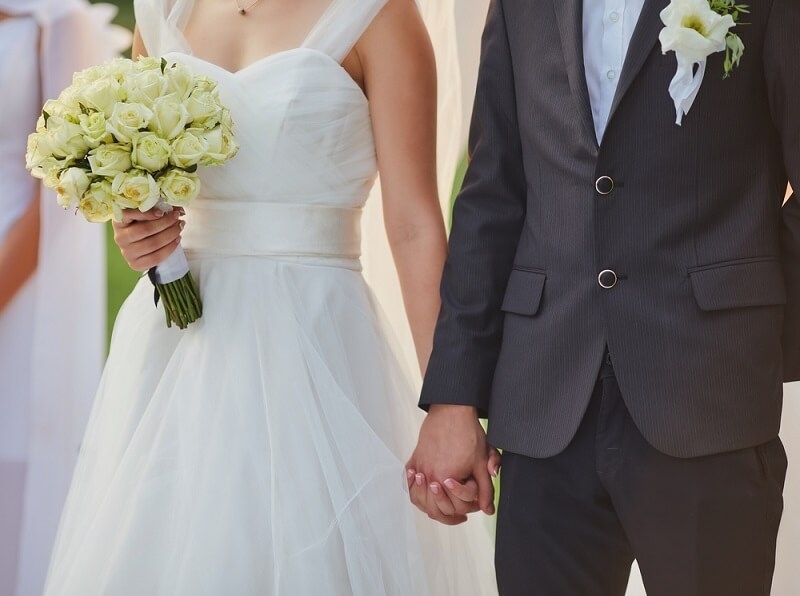
Weddings have always been about memory. Not just photos and playlists, but the quiet symbolism stitched into fabric, folded into hems, and carried down aisles. Traditional wedding clothing styles may come from centuries ago, yet they still feel surprisingly right when modern couples look for meaning beyond trends. That’s the sweet spot this piece lives in. We’ll talk about how classic bridal clothing continues to show up in American weddings, how cultural wedding wear adapts without losing soul, and why heritage wedding outfits still feel emotionally current. Along the way, we’ll touch on comfort, storytelling, and yes, a little nostalgia too.
Traditional wedding clothing styles are not about copying the past. They’re about borrowing their confidence. In the US, where weddings often blend backgrounds and beliefs, these styles act like a shared language. Familiar, expressive, and flexible.
There’s something grounding about wearing what generations before you trusted. Maybe it’s the weight of the fabric, or the way certain silhouettes just behave better in photographs. Traditional styles don’t rush. They let the moment breathe. For many couples, that calm is the real luxury.
Here’s the thing. You don’t have to give up personality to honor tradition. Designers across the US are shortening sleeves, softening structures, and adjusting colors while keeping ceremonial attire recognizable. The result feels lived-in, not borrowed.
Western wedding attire may feel familiar, but it hasn’t stayed still. It’s quietly evolved, like a family recipe that changes just enough each generation.
White gowns still dominate American ceremonies, but not for the reasons they once did. Today, it’s about clarity and focus. A white dress acts like a blank page, letting texture, cut, and movement tell the story. Lace, silk, and satin all whisper rather than shout.
Veils have made a gentle comeback, especially cathedral-length styles that feel ceremonial without feeling stiff. Some brides borrow veils from mothers or grandmothers. Others recreate the look. Either way, that backward glance adds emotional weight without stealing attention.
Cultural wedding wear has become one of the most expressive parts of modern American weddings, not as a statement, but as a celebration.
Lehengas and sarees are showing up with lighter fabrics and calmer palettes. Brides raised in the US often choose pieces that nod to heritage while fitting Western venues. It’s less about formality, more about flow.
From red silk gowns to embroidered jackets, these looks bring symbolism front and center. Colors matter. Motifs matter. Yet modern tailoring keeps everything wearable. Guests notice. They always do.
Heritage wedding outfits don’t ask for attention. They earn it slowly, through detail and history.
A brooch worn three generations ago. A sash passed down quietly. These items don’t dominate an outfit, but they change how it feels to wear it. Honestly, you can sense the difference in posture alone.
Designers often adjust necklines or sleeve lengths while keeping the original shape intact. It’s a respectful compromise. The past stays visible, but the present feels comfortable.
Ethnic wedding fashion isn’t about checking a box. It’s about showing up fully, without explanation.
Intercultural weddings are common across the US, and clothing often does the heavy lifting. A Western gown paired with traditional jewelry. A ceremonial robe worn for part of the day. These choices feel natural when they reflect real lives.
Blush, champagne, muted gold. These shades have become popular because they bridge styles. They feel ceremonial without being rigid. And yes, they photograph beautifully, which never hurts.
Classic bridal clothing has learned a valuable lesson. If you can’t move, you can’t enjoy the day.
Corsets are gentler. Skirts are lighter. Designers know brides want to sit, hug, dance, and breathe. Comfort doesn’t cancel elegance. It actually supports it.
Brides are choosing flats for ceremonies, then switching later. Shawls replace heavy jackets. These small decisions make traditional styles workable for long American wedding days.
Ceremonial attire has a job to do. It marks a moment. But it doesn’t need to overpower it.
A courthouse wedding calls for restraint. A church or temple ceremony allows more structure. Traditional clothing adapts when couples choose pieces that fit the setting rather than forcing grandeur.
Embroidery, knots, and specific colors. These details matter most to those who understand them. That quiet meaning often feels more powerful than an obvious display.
Styling is where tradition relaxes and smiles a little.
Loose waves, natural makeup, softer lines. These choices balance heavier garments. The result feels approachable, not formal for the sake of it.
Statement jewelry works best when it has space. Many brides choose one strong piece and let the rest stay subtle. It’s a confident move.
Traditional wedding clothing styles remain relevant because they don’t chase attention. They wait for a connection. In a culture where weddings often blend backgrounds, locations, and beliefs, these garments offer continuity. They remind couples that commitment isn’t new, even if each story is. And that reminder feels oddly comforting, especially on a day that moves so fast.
Wearing tradition doesn’t mean standing still. It means knowing where you come from while choosing where you’re headed. That balance shows. Guests feel it. Couples remember it.
Traditional wedding clothing often communicates feelings words can’t quite manage. Parents recognize it. Grandparents light up. Even guests from different backgrounds sense the meaning stitched into the fabric.
Traditional wedding clothing styles endure because they carry weight without heaviness. They adapt, soften, and shift while keeping their emotional center intact. For American couples navigating identity, family expectations, and personal taste, these garments offer a steady middle ground. Not frozen in time. Not chasing trends. Just present, meaningful, and quietly confident.
Not at all. Many couples choose them for cultural or emotional reasons, even in secular settings.
Yes, and it often is. Mixing styles can reflect real life and shared identity beautifully.
Modern tailoring and fabric choices have made comfort a real priority without losing form.
Guests rarely expect it, but they usually appreciate the meaning when they see it.
This content was created by AI