

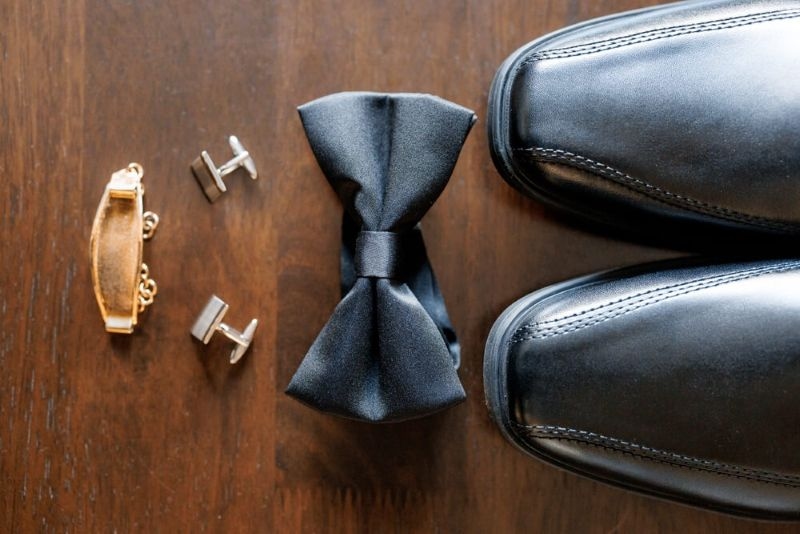
A wedding suit can look sharp. A tux can look polished. But accessories? That’s where the real personality sneaks in. Groom accessories are not just finishing touches. They’re quiet storytellers. The watch you wear, the socks you choose, even the tie pin your grandfather once owned, can say more than a perfectly pressed lapel. This guide walks through groom accessory styling ideas that feel personal, balanced, and natural for modern US weddings. We’ll talk mens wedding accessories, subtle groom fashion details, and real accessory coordination tips that don’t feel stiff or forced. Think of this as a conversation, not a rulebook.
Accessories work best when the basics feel right. Before personality shows up, comfort and proportion need to settle in.
A watch is often the most personal accessory a groom wears. Some guys love a classic leather strap. Others lean toward stainless steel or a modern minimalist face. Either works, as long as it matches the mood of the suit. A black-tie evening wedding pairs better with a slim dress watch, while a daytime outdoor ceremony can handle something more relaxed. Here’s the thing. You’ll look at these photos years from now. Pick the watch you actually wear, not one that feels borrowed.
Cufflinks don’t need to shout. In fact, they shouldn’t. Simple silver, brushed gold, or engraved initials add depth without pulling attention away from the suit. Some grooms choose novelty cufflinks. Sports logos, coordinates, tiny symbols. That can work, but only if it fits your vibe. Otherwise, subtle wins every time.
Tie bars are practical, sure. But they also anchor the outfit visually. Keep it clean and proportional. A tie bar should sit between the third and fourth shirt button, never lower. Matching it loosely with your watch or cufflinks helps everything feel intentional, not overthought.
Once the foundation is solid, personality can step forward. This is where style turns human.
Yes, socks matter. A lot. Neutral socks blend in. Patterned socks peek out during movement and photos. Some grooms choose wedding-themed prints. Others go with colors tied to their favorite team or city. Either way, socks are low risk and high reward. You know what? They also make great conversation starters during the reception.
A boutonniere doesn’t need to match every floral arrangement. Sometimes, one unexpected bloom or a dried element works better. Think eucalyptus, lavender, or even a small feather detail. Seasonal choices feel grounded and intentional, especially for outdoor or destination weddings.
A pocket square isn’t about matching the tie. It’s about complementing it. Different fabric, lighter tone, softer texture. Linen for summer. Silk for formal evenings. A casual fold feels modern, while a crisp fold leans classic. Neither is wrong. It’s about mood.
Accessories shine brightest when they carry meaning. Even small ones.
Wearing something passed down can be emotional. A watch from your father. A ring worn by generations. Even a tie clip with history. These pieces don’t need explaining, but they add depth you can feel. Honestly, that kind of detail shows in photos. It just does.
Suit linings with custom prints or stitched messages are becoming popular in the US. You don’t see them often, but you know they’re there. Initials inside a jacket. A wedding date stitched near the cuff. These touches feel private, almost secret, and that’s part of the charm.
Classic oxfords work. So do loafers, boots, or velvet slippers, depending on the venue. A vineyard wedding allows more freedom than a ballroom wedding. The key is polish. Clean shoes always matter, no matter the style.
This is where many grooms overthink things. Coordination doesn’t mean matching everything.
If your watch is silver, your tie bar doesn’t need to be identical. Similar tones are enough. Mixing metals slightly can look natural and lived-in. Just avoid extremes. Gold with gunmetal usually feels off unless done intentionally.
You don’t need matching accessories. You need harmony. If your partner’s look leans vintage, ultra-modern accessories might feel disconnected. A shared color accent or texture creates cohesion without being obvious.
Beach weddings, urban rooftops, rustic barns. Each setting has its own rhythm. Linen, wood, and softer tones suit relaxed venues. Polished metals and structured pieces suit formal spaces. Let the environment guide you a bit.
Accessories should respect the season. Comfort shows, whether you want it to or not.
Lightweight fabrics matter. Linen pocket squares. Thin leather straps. No heavy layers. Sunglasses can even become part of pre-ceremony photos, especially for outdoor events.
Cooler months invite texture. Wool ties, knit accessories, and darker leathers. Layering becomes part of the look. A scarf for pre-ceremony photos can feel stylish, not extra.
Spring is forgiving. Soft blues, sage greens, pale pink accents. Nothing too heavy. Freshness reads well on camera and in person.
This is where things come together quietly.
A well-chosen belt, clean laces, and even a discreet lapel pin add polish. Don’t forget fragrance. One or two sprays, max. You want people leaning in, not stepping back.
There’s a mild contradiction here. Accessories add personality, yet too many distract. The trick is restraint. Choose a few meaningful pieces. Let the rest stay simple. Balance always wins.
You can wear the perfect combination and still feel off if it’s not you. Comfort shows. When you feel good, your posture changes. Expressions soften. That’s what people remember.
Groom accessory styling ideas are not about trends or checklists. They’re about expression. The right mens wedding accessories highlight the groom's fashion details without overpowering them. Thoughtful accessory coordination tips help everything feel connected, natural, and personal. When chosen with care, accessories don’t just complete the look. They quietly tell your story, one detail at a time.
Usually, three to five pieces work well. Watch, cufflinks, pocket square, and one personal item are often enough.
Not exactly. Complementary tones look more natural and photograph better.
They can work if subtle. Keep them small and meaningful rather than loud.
Not fully. Similar tones help, but the groom can stand out with refined details.
This content was created by AI