

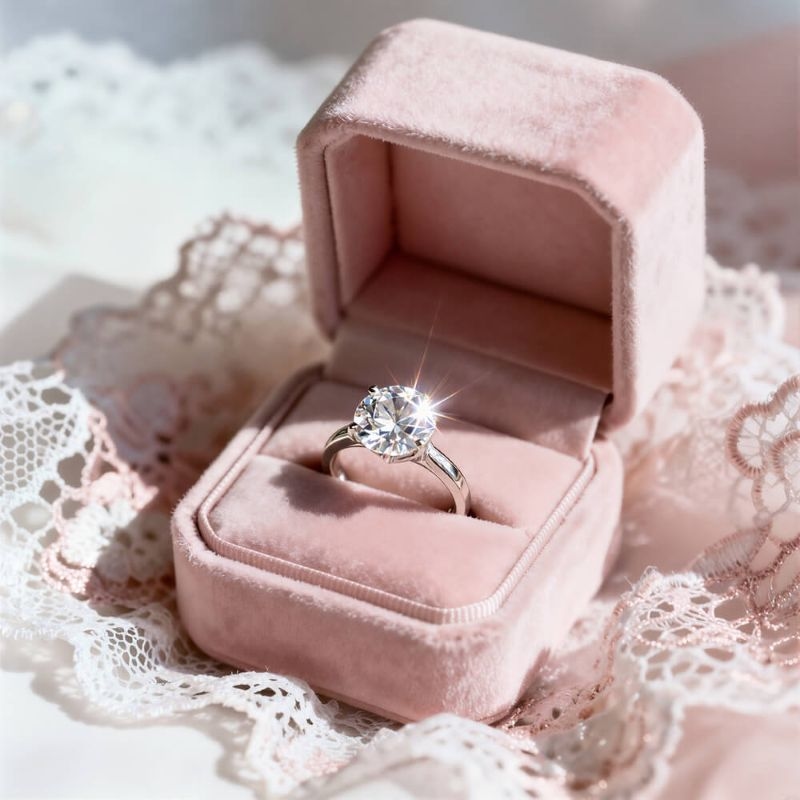
Weddings aren't only about the spectacular ceremony or the high-end outfits. They are significant emotional markers, moments when families, long-standing traditions, and personal identity all blend. Couples show through the wedding that they are connecting their pasts with their futures in a single glance.
This blog will explore the ways in which different cultures incorporate accessories as a means of expressing a deeper significance in the wedding clothes and as an aid for couples in remaining connected to their origins.
A dress or suit says a lot, but sometimes it’s the little things—the necklace, the headband, the special sash—that say what fabric can’t. In a lot of traditions, accessories stand for protection, luck, fertility, or just a promise that lasts. Including these cultural fashion elements lets couples bring in family history and meaning without having to change their whole look.
Sometimes these traditional wedding accessories are basically sacred. Families pass them down or pick them out with a lot of care, following certain rituals. Even when weddings go modern, these old-school touches stick around because they anchor the couple to their community and their story.
There’s also freedom here. Maybe the bride loves a contemporary dress, but slips on her grandmother’s bangles. Maybe the groom keeps it classic but adds a traditional sash or buttons. Those choices turn a wedding from “nice” to “this is us.”
Jewelry might be the most loaded accessory of all. It’s about wealth, protection, blessings for the future—sometimes all at once. Figuring out which pieces matter most helps couples focus on what’s truly important.
Think about South Asian weddings for a second. Gold jewelry is everywhere. Every necklace or bangle means something—prosperity, security, all that good stuff. Families usually have strong opinions about which ones you should wear. In Chinese weddings, you’ll see a lot of red and gold. Those colors aren’t just for looks—they mean luck and happiness.
Europeans have their own thing with heirlooms—antique brooches, lockets, rings. Each one has a story and keeps ancestors close on a big day. These heritage jewelry guides aren’t just pretty extras; they’re emotional anchors.
Then there’s what you wear in your hair. Headpieces and hair accessories can say a lot—sometimes more than a dress. Sometimes, these headpieces reveal if someone’s married, keep them safe, or invite some spiritual luck.
You’ll see Middle Eastern brides with stunning head chains that highlight their features and capture this sense of elegance. Over in Africa, head wraps, or crowns, can hint at royal heritage or just a strong sense of pride in where they come from. In the West, veils still hang on as symbols of purity and new beginnings.
Even flower crowns mean something. In Hawaii, they’re about love and honoring the earth. These styles fit right into modern weddings and still keep tradition alive. They’re small, sure, but the emotional impact is huge.
Shoes don’t always get much attention, but they matter more than you’d think. In a lot of places, what the couple wears on their feet is packed with meaning.
Look at Indian weddings. Brides slip on anklets with tiny bells, so every step turns into a soft song—pure celebration. Among arabs, brides select slipper types/stitches that show pride in family and their place in society. Native American brides wear moccasins with patterns that carry deep spiritual meaning.
Western weddings aren’t left out, either. There’s “something old, something borrowed”—even the shoes get wrapped up in tradition. Small details, sure, but they’re part of the bigger story. Past, present, future. It all comes together in that one, unforgettable moment.
Cultural wedding accessory styles aren’t just a bride thing. Grooms get to show off their style and heritage too, and honestly, that’s half the fun. In South Asian weddings, you’ll see grooms wearing turbans with jeweled brooches—these aren’t just for looks; they stand for honor and leadership. African grooms often wear beaded necklaces or bold sashes that show off their tribal roots.
And then there’s the classic Scottish groom in a family tartan kilt, often with a ceremonial pin that means more than most people realize. These pieces matter. They let both partners bring their backgrounds into the spotlight. For grooms, accessories tend to highlight strength, responsibility, and a sense of family tradition. Picking out the right pieces lets a groom step up and really take part in honoring his culture.
More and more couples come from different backgrounds these days. Blending cultural fashion elements gives them a way to celebrate both sides without any awkwardness. Maybe the bride rocks a classic white dress but adds in jewelry from her heritage. The groom might sneak in a symbol or two from his own culture, maybe in a tie pin or cufflinks. This mix doesn’t just look great—it actually brings both families together.
Accessories work perfectly for this because you don’t have to change your whole outfit to make it work. If you plan it out, you can pick pieces that go together instead of fighting for attention. Guests notice these details. It’s a simple way to show respect for both traditions and make everyone feel included.
Weddings usually have a bit of spirituality woven in, and honestly, the accessories do a lot of the heavy lifting there. They’re not just for show. Each piece—whether it’s a cross at a Christian ceremony, a rosary, a kippah for a Jewish groom, or sacred threads and bangles at an Indian wedding—carries real meaning.
There’s real meaning packed into these things—blessings, hopes, and generations of tradition. They aren’t just decorations or little touches that look nice. They always find a way to pull the day back to what counts: faith, family, and all the stories that led up to now. That’s just the way it is. When everything else slips away, those things stick. That’s what gives them real strength. And honestly, even the tiniest religious accessory can turn out to be the most meaningful thing you put on.
If you want to keep family traditions alive, accessories are honestly one of the easiest ways to do it. Maybe you wear your grandfather’s watch or your mother’s earrings. Little things like this carry family stories straight into your wedding day.
A heritage jewelry guide can help you figure out how to care for and style these heirlooms, so they look good and last for the next generation. And when you slip on that piece of family history, it’s not just about style—you’re making your wedding a part of your family’s ongoing story. Those moments stick with you, long after the party’s over.
Accessories carry real weight at weddings. They're more than just pretty extras—they hold stories, traditions, all the little details that make a wedding feel like yours.
That’s the magic. These small touches turn a wedding from just another party into something you’ll actually remember, something that feels full of heart.
Keep it simple. Just pick one or two pieces that really matter to you. That way, your culture shines through without taking over your whole look.
Definitely, there are many understated options, including small pieces of heritage jewelry, hairpins with sentimental value, and so on, that fit in perfectly with today's contemporary fashion.
Mixing accessories from both cultures is a great way to honor each side. It doesn’t have to be complicated—just thoughtful.
Look up a good care guide or ask a jeweler. Taking care of these pieces makes sure they last, so you can pass them down again someday.
This content was created by AI